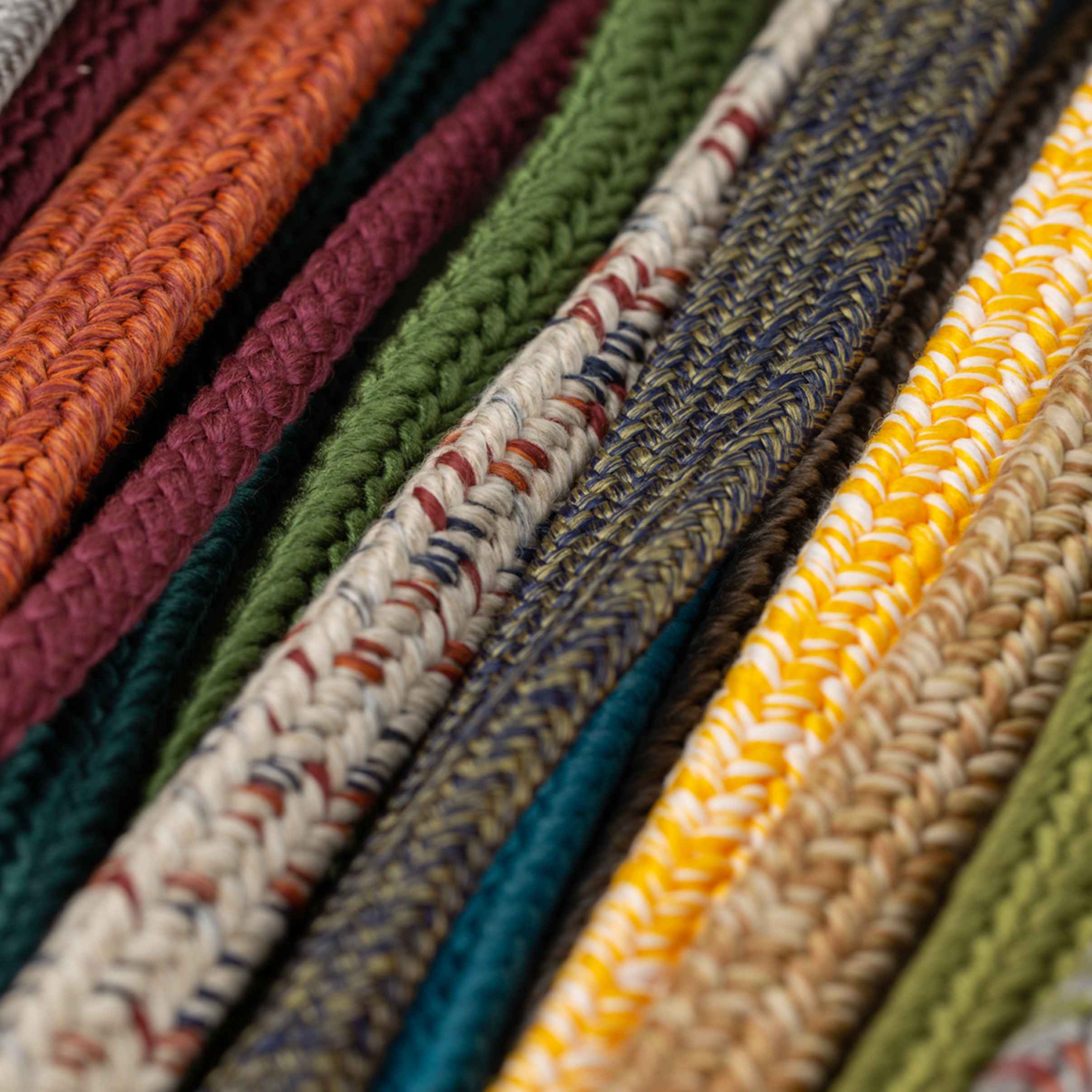
To prevent surface deterioration, we recommend frequent vacuuming or light brushing to remove dust using a soft-bristle brush. The majority of surface stains can be removed if treated swiftly with neutral soap and water, then rinsed thoroughly with soft water to remove any residue. Air dry. Brushing with aggressive systems (for instance, only as an indication, using abrasive sponges, aluminium wool pads, rigid or metal bristle brushes) could seriously compromise the surface of the rug, causing broken microfilaments and the loss of coloured microfilaments as well as triggering uncontrollable phenomena. Avoid products containing chlorine coming into contact with the ropes. In the event of accidental spills, rinse with plenty of water and dry, avoiding direct sunlight.
TWater-soluble stains: clean with half a tablespoon of normal detergent in a cup of hot water. Dab the stain gently with a cloth or sponge dipped in this solution, dabbing from the inside of the stain outwards. Do not rub. Once the stain has been removed, pour clean water over the area to remove any traces of dust. Do not use stain removers. Grease or oil stains: butter, oil, lipstick and similar should be removed with acetone (avoid striking the painted frame with acetone). Once the stain has been removed, apply a solution of neutral detergent onto the fabric and rinse with clean water as you would do with water-soluble stains. The majority of stains can be cleaned if treated promptly.
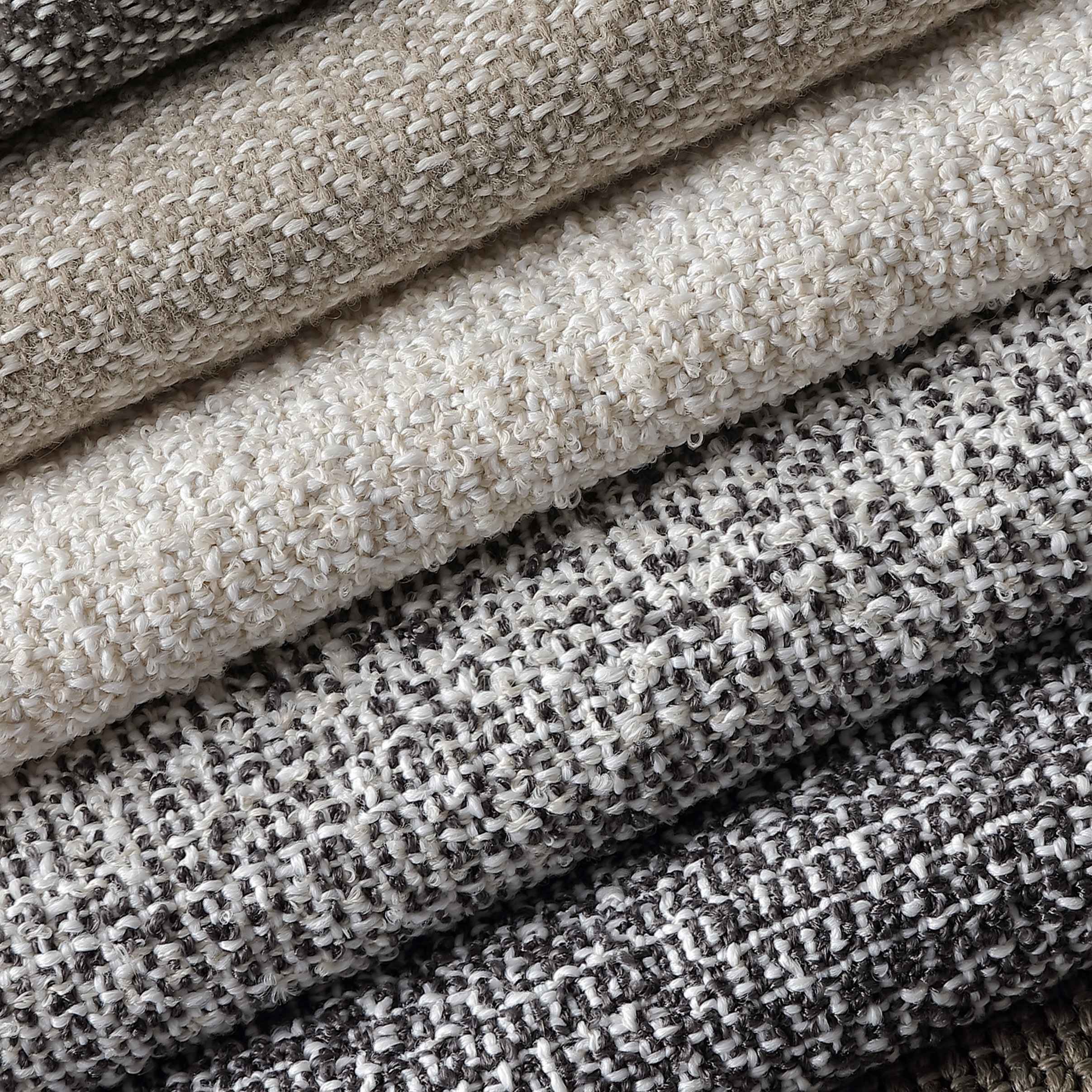
The best way to protect your outdoor fabric from wear and fading is to keep it clean and protected during weather events. More than anything else, simple maintenance is the best guarantee for the longterm conservation of your outdoor furniture. The best way to care for your outdoor fabric is to regularly brush off dirt or vacuum clean, and give an occasional wipe-off with a damp cloth. These simple tasks will considerably extend the fabric’s lifespan. When the upholstery needs more than a simple brushoff or wipe-down, it should be cleaned with a water and mild soap solution*. This will help to prevent dirt from penetrating the fabric, which will avoid unnecessary wear and tear. After the cleaning, make sure to rinse with plenty of clean water to remove soap residues and allow the upholstery to dry completely before you use it again** *Cleaning with water and soap is only possible when the fabric is equipped with a PU-lamination or when the upholstered furniture is constructed with exteriorproof foam. ** It is important that the fabric is not left in a wet state. If necessary, dry the cushions with a towel or turn them around and leave to air-dry
Treat stains as soon as they occur. Remove any excess of soiling material using absorbent paper or a soft brush. Wipe the stain with a sponge or cloth using a mild soap-water blend. Rinse with clean water and rub dry with a clean towel and let air-dry. In case of mould and mildew, prepare a solution made of one part of bleach and 5 parts of water, and add a few drops of mild soap. Clean the fabric using a sponge or brush, rinse with plenty of clean water and let air dry. Your outdoor fabric will benefit from a good washing every so often. Consider that machine washing is the best and most effective way to protect the fabric from the impact of non-visible contamination, like microbes, mould or atmospheric pollution.